
Sometimes the world hands you a story that feels like it wandered straight out of a sci-fi script. The EPA’s new public stance on chemtrails and geoengineering is one of those stories. The agency rolled out a stack of new webpages claiming to address growing concerns about weather modification, transparency, and the fine line between climate science and climate intervention. And the reaction across the country has been anything but quiet.
People are divided. Some feel validated. Some feel dismissed. Others are wondering why the conversation is suddenly happening at all, especially after decades of being told the topic was off limits. If nothing else, the timing is curious. You finally hear a government official say the public deserves clarity, yet the follow-up message is essentially that everything is fine.
As with most things in modern environmental policy, once you step back a bit, you begin to see a pattern. One that touches respiratory health, crop systems, atmospheric chemistry, EMFs, and our relationship with nature itself.
This is not about partisan politics. It is about whether the public is getting the full picture or just another layer of soft reassurance.
A Sudden Push for Transparency That Feels Half Finished
EPA Administrator Lee Zeldin acknowledged something that rarely gets said out loud. People asking questions about chemtrails and geoengineering were dismissed and vilified for years.
That matters.
It matters because public trust does not erode overnight. It erodes slowly, through repeated experiences of being told not to trust your own eyes, your own patterns, or your own curiosity.
So when the EPA finally addressed the issue directly, many people expected new disclosures or at least a more nuanced conversation.
Instead, the agency released a series of webpages insisting that chemtrails are not real, geoengineering is not happening outdoors, and that the skies above the United States are not being intentionally modified.
At the same time, the EPA openly acknowledged that planes do release chemicals for agriculture, firefighting, and weather related purposes.
That contradiction is where things start to fall apart.

The Terminology Game: Chemtrails Vs Contrails
The EPA works hard to draw a sharp line between contrails and what it calls chemtrails. According to their framing, contrails are harmless ice crystals, while chemtrails are a, “fictional label attached to conspiracy theories”.
But language does not change chemistry.
If aircraft release substances into the atmosphere that create lingering cloud formations, whether intentionally or as a byproduct, then the phenomenon exists regardless of what name is used.
The EPA itself confirms:
Aircraft release chemicals for certain purposes
Cloud seeding programs exist
Weather modification is real and ongoing at state and international levels
So when the agency insists chemtrails do not exist, what it really seems to be saying is that it does not accept harmful or secretive intent behind chemical releases.
For the public, that distinction feels semantic at best.
Political Reactions Only Added Fuel
Some political figures celebrated the announcement, believing it would expose long hidden programs. Others criticized the EPA for even addressing the issue, comparing it to fringe internet debates.
Meanwhile, the scientific and policy worlds continue to openly discuss climate intervention strategies, solar radiation management, and atmospheric modification as viable tools for addressing climate change.
That disconnect is impossible to ignore.
One group says nothing is happening. Another is actively planning for deployment. Both cannot be fully true at the same time.
Geoengineering Is Not Theoretical
Whether or not large scale deployment is happening today, geoengineering is not a fringe concept. It is a rapidly expanding field of research and investment.
Proposed and studied techniques include:
Governments, universities, and private companies have invested millions into modeling, experimentation, and pilot projects. Some experiments have been halted due to public backlash. Others have quietly continued.
The EPA says the United States is not engaged in outdoor testing. At the same time, a private company releasing sulfur dioxide into the atmosphere is under federal investigation.
That alone should prompt honest questions.
Weather Modification Has Been Around for Decades
Long before the word geoengineering entered public conversation, weather modification programs were already operating.
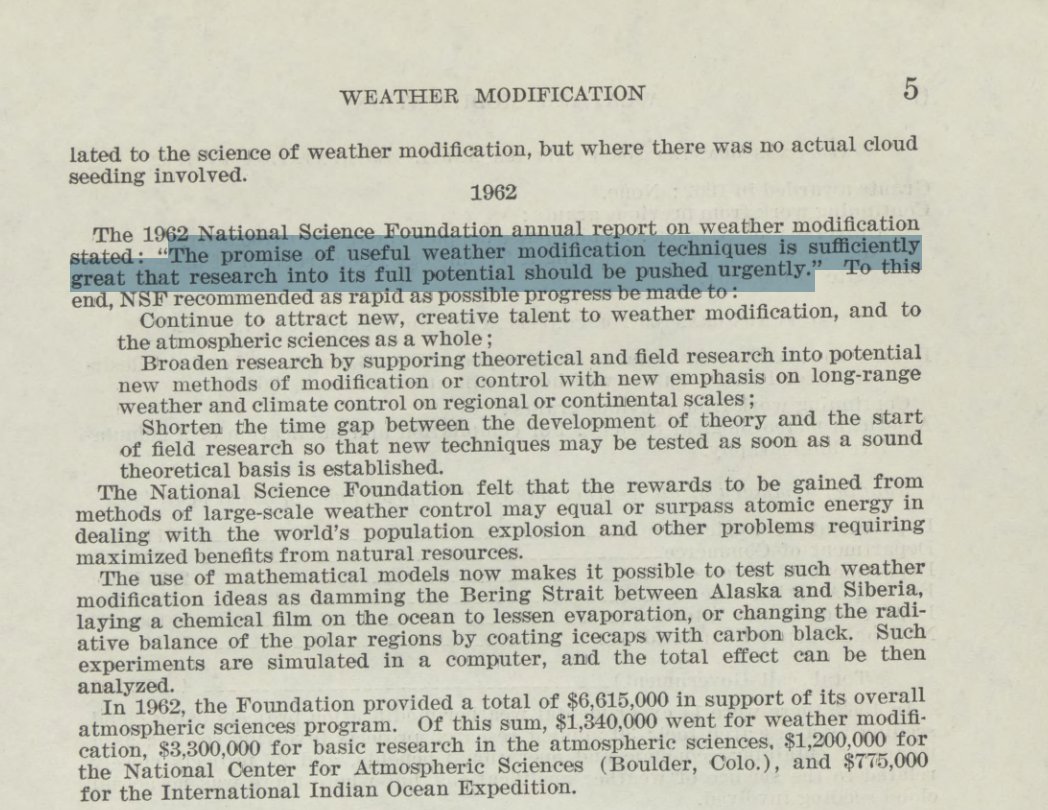
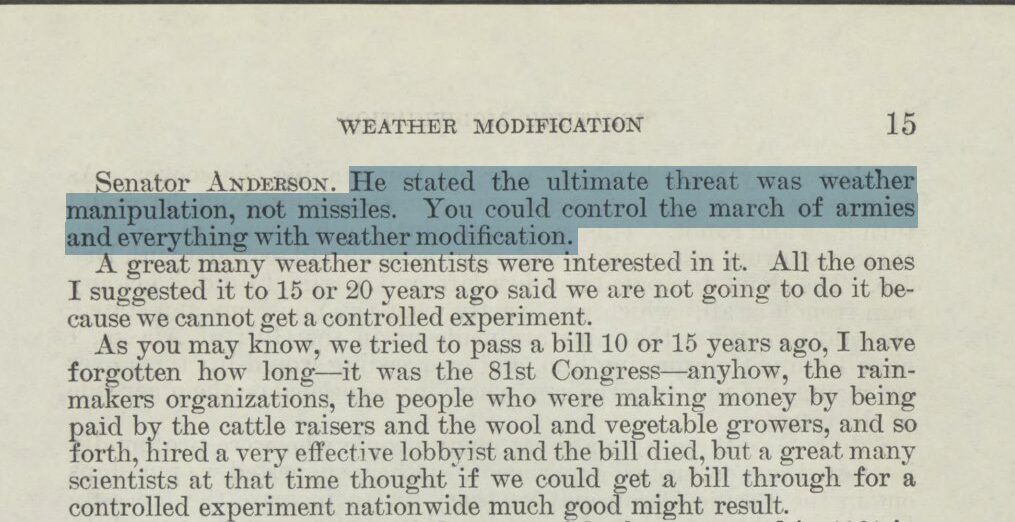
Congressional records and NSF reports from the 1960s discussing weather modification as a strategic tool with global implications. Source: 1964 congressional hearing by the Senate Subcommittee on Irrigation and Reclamation
Cloud seeding is active in many U.S. states, including:
California
Nevada
Colorado
New Mexico
Wyoming
Texas
Oklahoma
Utah
Idaho
North Dakota
Kansas
China, Russia, and other nations openly use weather modification for agriculture, drought mitigation, and major events.
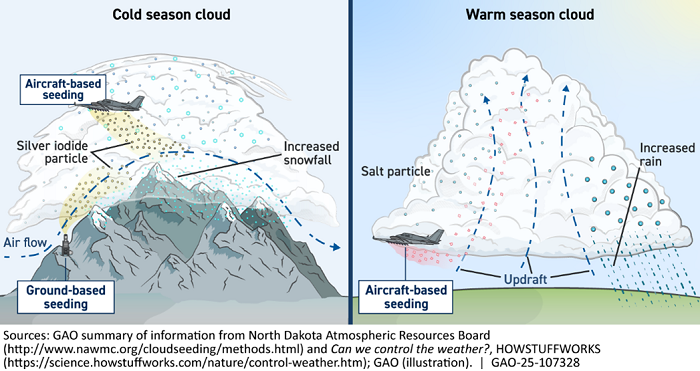
These programs are documented, funded, and publicly acknowledged.
So when chemtrails are dismissed outright while weather modification is openly admitted, the skepticism is understandable.
Why This Matters for Holistic Health
From a holistic health perspective, this conversation goes far beyond politics or ideology. It comes down to how environmental changes affect the human body and the ecosystems we depend on.
Atmospheric modification can influence:
Air quality, increasing particulate exposure and respiratory stress
Sunlight cycles, disrupting circadian rhythm, melatonin, and vitamin D production
Water sources, altering rainfall patterns and contaminant concentration
Soil biology, affecting microbial life and mineral balance
Crop growth, influencing yield and nutrient density
Immune function, through chronic inflammatory load
Hormonal regulation, tied to light exposure and environmental stress
Nervous system balance, pushing the body toward persistent low-grade stress
These are not abstract risks. They are biological inputs that build upon existing stressors, such as EMFs, pesticides, microplastics, artificial light, and poor air quality.
The body does not compartmentalize stress. It integrates all of it at once.
What Regular Heavy Metal Detox Actually Looks Like
When chemtrails, atmospheric chemicals, or environmental toxins enter the conversation, the natural follow up question is how the body actually clears heavy metals on a regular basis.
Most people jump straight to binders like zeolite. And while binders can be helpful, sustainable detox is less about chasing metals out of the body and more about supporting the systems that already remove them every day.
The body detoxes heavy metals primarily through bile and stool, urine, sweat, and to a lesser extent hair. Problems arise when exposure outpaces elimination or when detox pathways are sluggish.
For most people, a regular and realistic detox rhythm looks something like this:
Mineral repletion to prevent metals from binding in the first place. Heavy metals displace minerals, so adequate magnesium, zinc, selenium, calcium, and iron when deficient are foundational.
Daily elimination with at least one solid bowel movement per day. No exit means no detox, and metals that are mobilized but not eliminated tend to recirculate.
Liver and bile support, since most metals leave through bile. This includes adequate dietary fat, hydration with minerals, and bitter foods or herbs.
Regular sweating through sauna, exercise, hot baths, or movement. Metals like cadmium, arsenic, and lead can be excreted through sweat.
Targeted binders, used gently and intermittently. Zeolite can bind certain metals in the gut, especially aluminum, but works best when taken away from food and supplements and paired with mineral support.
Rotating detox supports, such as activated charcoal, bentonite clay, modified citrus pectin, or chlorella, to avoid overbinding minerals or stressing digestion.
Supportive practices like castor oil packs, which may enhance lymphatic flow and liver support, making elimination more efficient.
Nervous system regulation, since chronic stress reduces bile flow, impairs detox enzymes, and worsens metal retention. Sleep, vagus nerve stimulation, light exposure, and reducing EMF exposure all quietly matter here.
Done well, regular heavy metal detox does not feel aggressive or dramatic. It feels steady. Energy improves, inflammation drops, digestion becomes more regular, and the body feels less burdened over time.
Detox is not about forcing the body to do something unnatural. It is about restoring flow so it can do what it was designed to do.